Assistive Devices Program (ADP)

Barbara is a 73-year-old Kingston, ON resident who lives with osteoarthritis. Her condition results in poor balance and makes walking difficult. For over eighteen years, Barbara has been using a walker to help keep her mobile. Over time, the walker began to break down. However, she needed this equipment, so Barbara continued to use it, even without brakes. The condition of her walker was so poor that she could not even venture into the hall of her apartment building safely. Barbara said that “my old walker made me feel nervous when I was moving around.” Barbara’s occupational therapist began to worry about her safety and urged her to buy a new walker, but her limited income made this a difficult task. Barbara, in need of help, turned to March of Dimes’ Assistive Devices Program.

The Assistive Devices Program (ADP) provides financial assistance to people with disabilities across the province, assisting with the cost and maintenance of basic mobility devices as well as home and bath safety equipment. ADP is one of March of Dimes’ charitable programs supported 100% by donor dollars. Many of the people served live on an income of less than $15,000 per year, meaning that many assistive devices are financially out of reach. At ADP, the program is able to stretch every dollar to its fullest potential enabling staff to provide necessary, life-changing devices to people across the province that so desperately need them – and cannot afford the equipment on their own.

United Way donates a portion of its funds to the ADP program in Kingston and focuses on promoting Healthy People, Strong Communities. Without United Way, March of Dimes would be unable to continue helping people like Barbara. Without this partnership, the expense of a new walker, which exceeded $500, would have prevented Barbara from the peace of mind she now enjoys.

walker1

Barbara is happy to have her new, safe walker. Although she uses it primarily for indoor use, Barbara prefers using her walker over her wheelchair so that she can maintain and build strength in her legs. Without the funding she received from March of Dimes, Barbara said she “would have had to keep her old walker and she would have had to use her wheelchair more often.”  The new walker is large and comfortable enough to allow Barbara to sit on it when she needs to, which allows her to use it over her wheelchair. Barbara is very thankful for the help she received from March of Dimes.

National Conductive Education Day

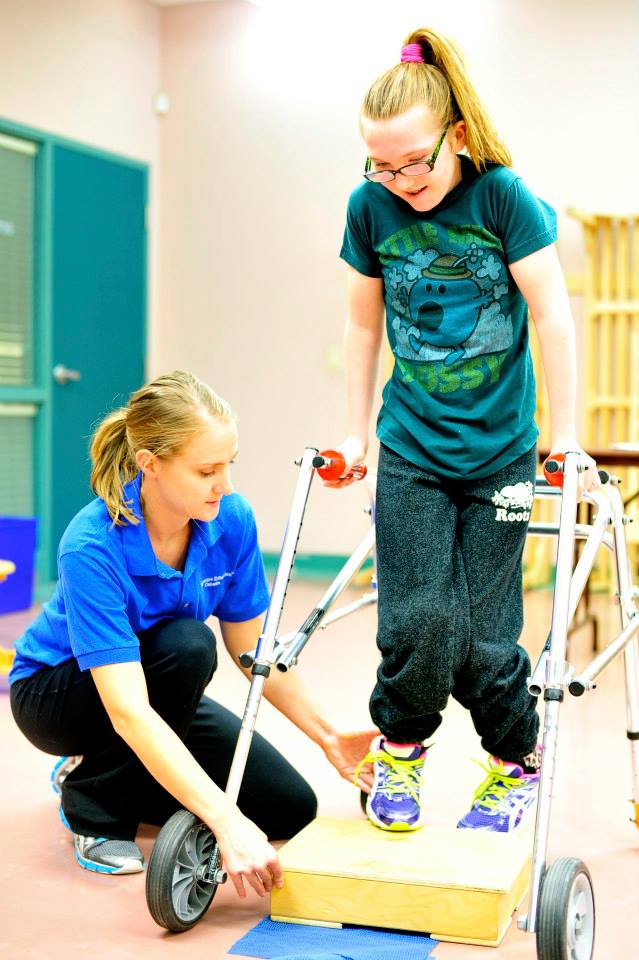
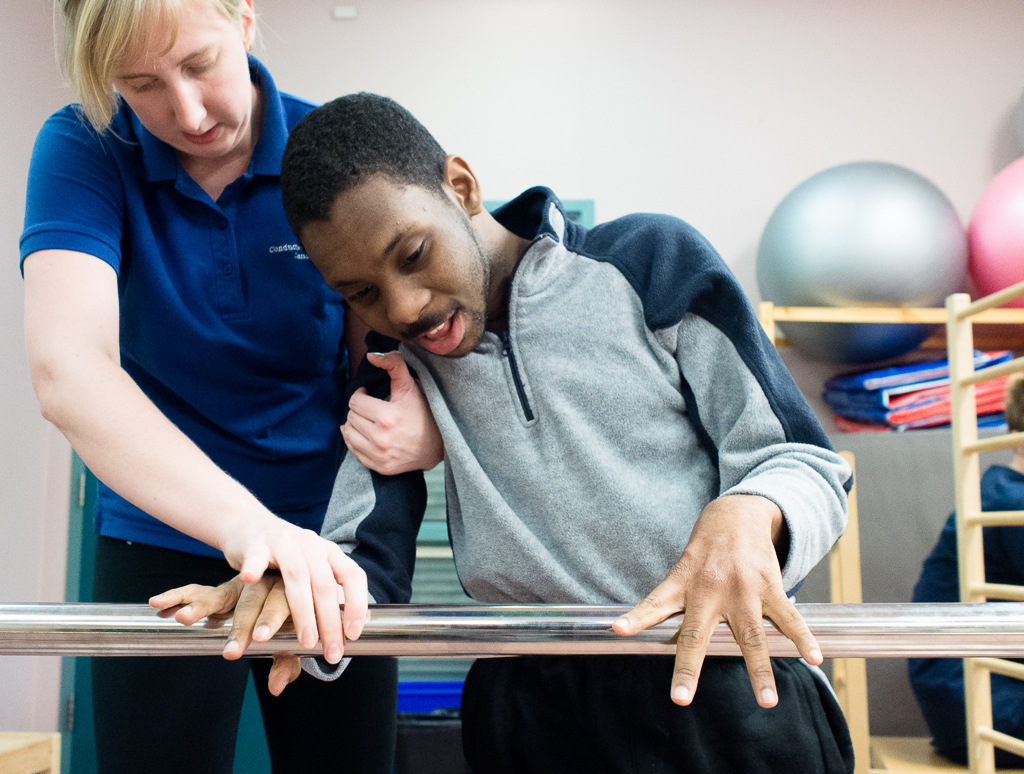
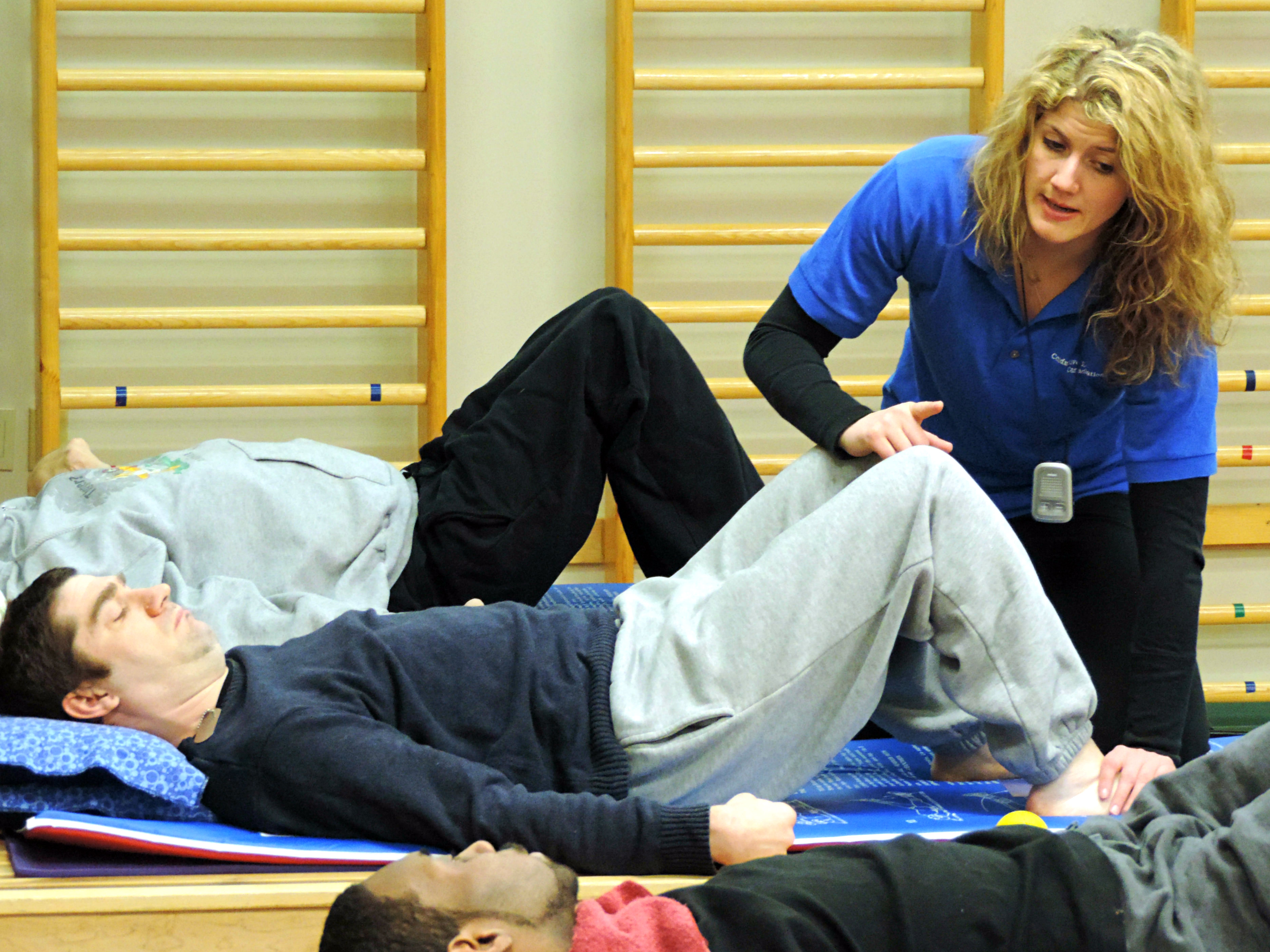
In celebration of National Conductive Education (CE) Day, we are shining the spotlight on our dedicated conductive education teachers, conductors. Our conductors change lives of children and adults with physical disabilities by inspiring courage, building new and positive habits, and encouraging active problem solving for movement.  Through participation in conductive education and working with our conductors, our past and current conductive education participants like Lilly, Nektarios, Usman, or Zachary, experienced greater independence, personal empowerment, and community participation. On this National Conductive Education Day our lead conductors from across Canada wanted to share with you what inspired them to become involved in conductive education and what propels them to become better in their field.

Abigail Payne , Lead Conductor in Alberta:  “When  I saw conductive education in action for the very first time, I knew right away that I wanted to become a conductor and teach conductive education for the rest of my life.   As a physically active individual, I understand and believe in the benefits of movement, how it develops our creativity, keeps us motivated and keeps our minds active.  My role as a March of Dimes’ Canada conductor in Alberta allows me to make this program available to children and adults with physical disabilities in Western Canada, and allows me to make sure that theories of movement and conductive education know no bounds.  We have received great response to our intensive camps in Edmonton, and we are working with organizations in Calgary to spread the information about CE and how it can help individuals living with physical disabilities, their families, and professional care workers.  Every day I am inspired by my conductive education program participants.  I learn from them and strive to become a better conductor.  I continue to help and advise them, at a level different from other professions, and I take time to learn about their life outside our classroom.  Any conductor will tell you, they have the cutest, the best, and the most inspiring participants in their program, and I echo their sentiments.  Never will I forget about individuals I have worked with, never will I be OK if we have to say goodbye and never will I forget that they have added to my repertoire of knowledge that I will continue to share, and help others.”
Alexandra Wheeler - Age 12 - 2013 (1)

Brittany Jennings, Lead Conductor in Nova Scotia:  “I first heard about Conductive Education when a student my mother taught attended the Movement Centre of Manitoba. I loved the positivity and enthusiasm and it was amazing to see each individual overcome challenges with such determination.  I decided then that this is what I was meant to do with my life. I am now working as a conductor in Halifax and each day I am inspired by the participants. What I love most about being a conductor is that learning is a two-way street. I learn from my participants each and every day, just as I hope to teach them to discover what independence means to them and how they can achieve it.”

OLYMPUS DIGITAL CAMERA

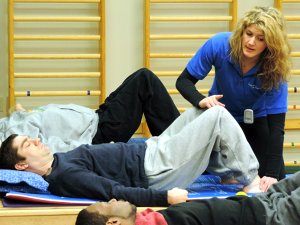
Rachel Salsman, Senior Conductor in Toronto:  “I first learned about Conductive Education when a childhood friend (Beth Lynch) received the Transamerica award from March of Dimes Canada and started her conductor training in England.  I was just finishing a degree in neuroscience and psychology at Dalhousie University, and found the philosophy and basis of Conductive Education very interesting.  The fact that you could change the body by changing the brain wasn’t a new concept to me because of my neuroscience background but the way in which conductors put this theory into practice was producing life changing results.  This started me on my path to become a conductor.  I was fortunate enough to receive the Transamerica award and after my training I returned to work for March of Dimes Canada, where I have worked for the past 5.5 years, and I am now working as a senior conductor of all CE programs.  I have been fortunate enough to work with children and adults as well as seeing how other centers around the world run.  I have seen first-hand how Conductive Education has been able to change the lives of not only our participants but also their families.  From people learning to roll over in bed independently, walking over uneven ground, doing up their own coat, or transferring from their wheelchair to their bed independently; all of these achievements can have a huge impact on their lives.  I feel very lucky to get to see the hard work that my participants and their families put in each and every day.”
DSCN3606

Thousands of Canadians are diagnosed with neurological motor disorders, each year. Conductive Education and March of Dimes Canada are here to offer help and support to these individuals and their families. For more information about Conductive Education please visit our website: www.marchofdimes.ca/ce and share with us how conductive education changed your, your child’s, or your family’s life.

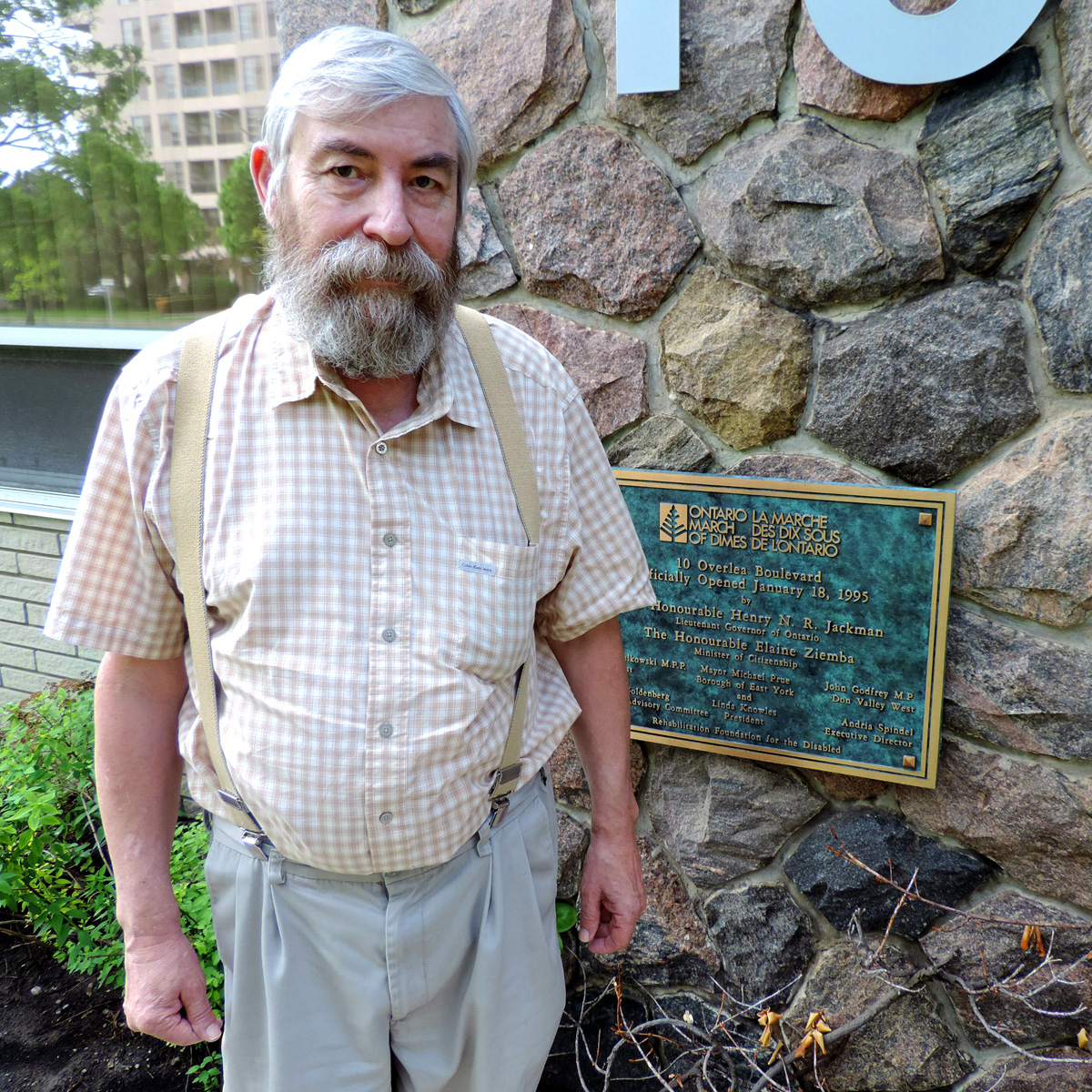
Volunteer Profiles: John Hurst

If it wasn’t for curiosity created by his neurologist John Hurst may not be a volunteer with March of Dimes of Canada (MODC) today.

After suffering a stroke in 1999, John’s neurologist said his speech could improve, but John was eager to find out more on how. He continued his journey on the internet, which led him to a speech-language pathologist. He learned from the pathologist about York-Durham Aphasia Centre (YDAC), and began volunteering there in 2002.  While most of the volunteers at YDAC are not stroke survivors, John’s stroke experience certainly adds to what he brings to the program.  He has also been serving on the Board of Stroke Recovery Canada’s Toronto Central Chapter since 2008.

John considers his aphasia diagnosis less severe than many. He overcame many weaknesses quickly and never required a wheelchair.  While feeling fortunate about his recovery, John takes more appreciation seeing his children and supporting fellow stroke survivors.

John Hurst

“Just giving back a little bit is something I can do and help people,” said John.

While John knows from experience it’s impossible to make a complete stroke recovery he is optimistic about the progress that survivors can make.

“It’s not the end of the world (and) there is life after a stroke for sure.”

He believes people need to be more educated about stroke survivors because some assume they can no longer speak.   “(Stroke survivors are) never going to be 100 per cent but (they) will improve (their speech) and the improvement is what I like to see in people.”

To learn more about the March of Dimes Canada programs visit:  York-Durham Aphasia Centre  and Stroke Recovery Canada

By:  Brendan Hair


Jess on L.I.F.E. Toronto Program

L.I.F.E. Toronto serves young people who have a physical disability and are making the transition into adulthood. The program provides participants with a learning environment to expand their social and professional skills while practicing the daily responsibilities of adulthood. L.I.F.E. Toronto’s goal is to bridge the gap between child and adult services by providing participants with new skills and resources. L.I.F.E. Toronto is a combination of Life Skills Workshops, Outward Bound Canada programming, weekly Social Outings, and Conductive Education.

Along with fun and adventure, participants experience some challenges. Indeed, the very purpose of the program is to help them find untapped resources within themselves and within the group, to help them discover that they are more capable than they know.

L.I.F.E. Toronto is a new program that continues with the support of United Way Toronto, TD Canada Trust, and Royal Bank.

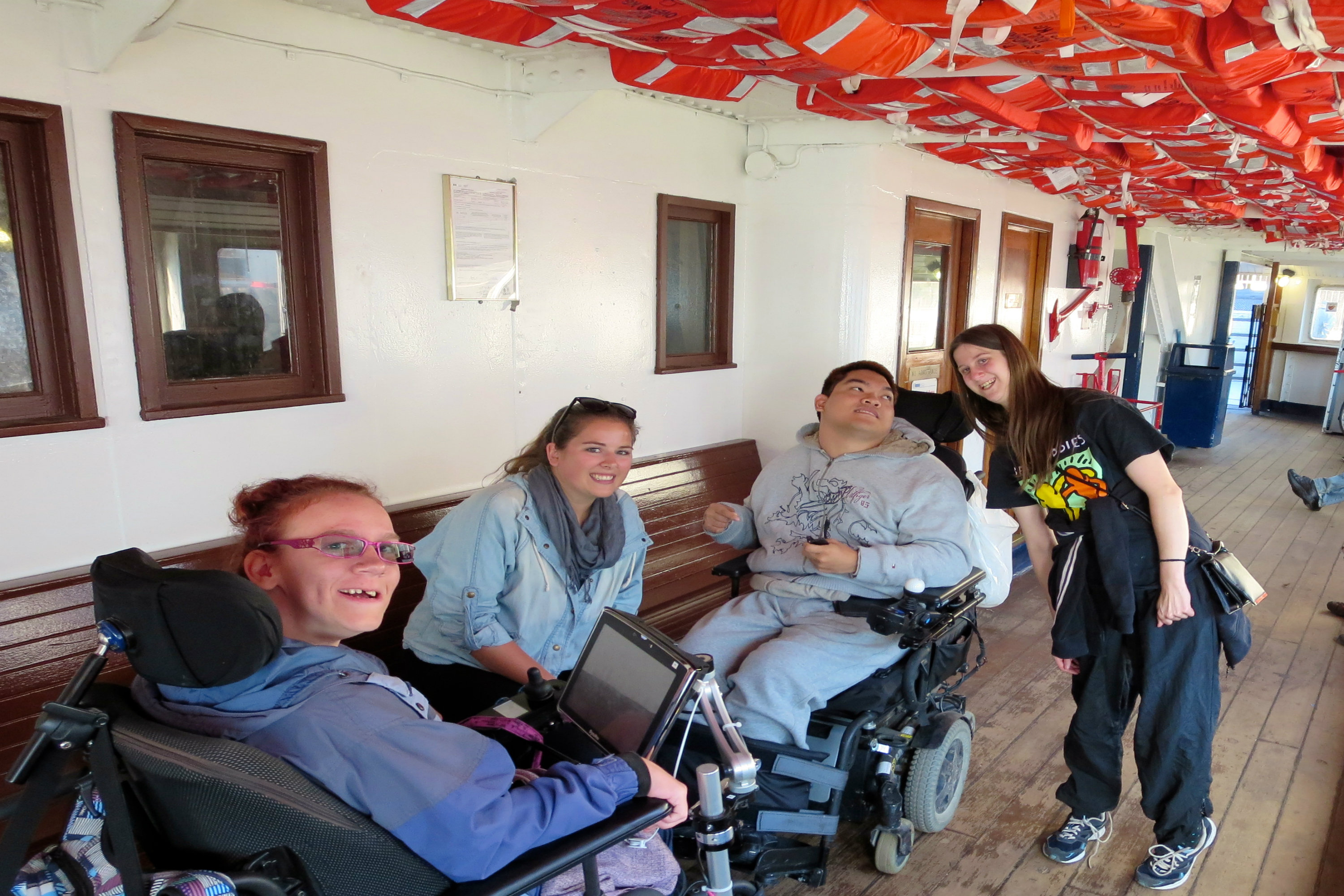
L.I.F.E. Toronto: Ferry to Toronto Island

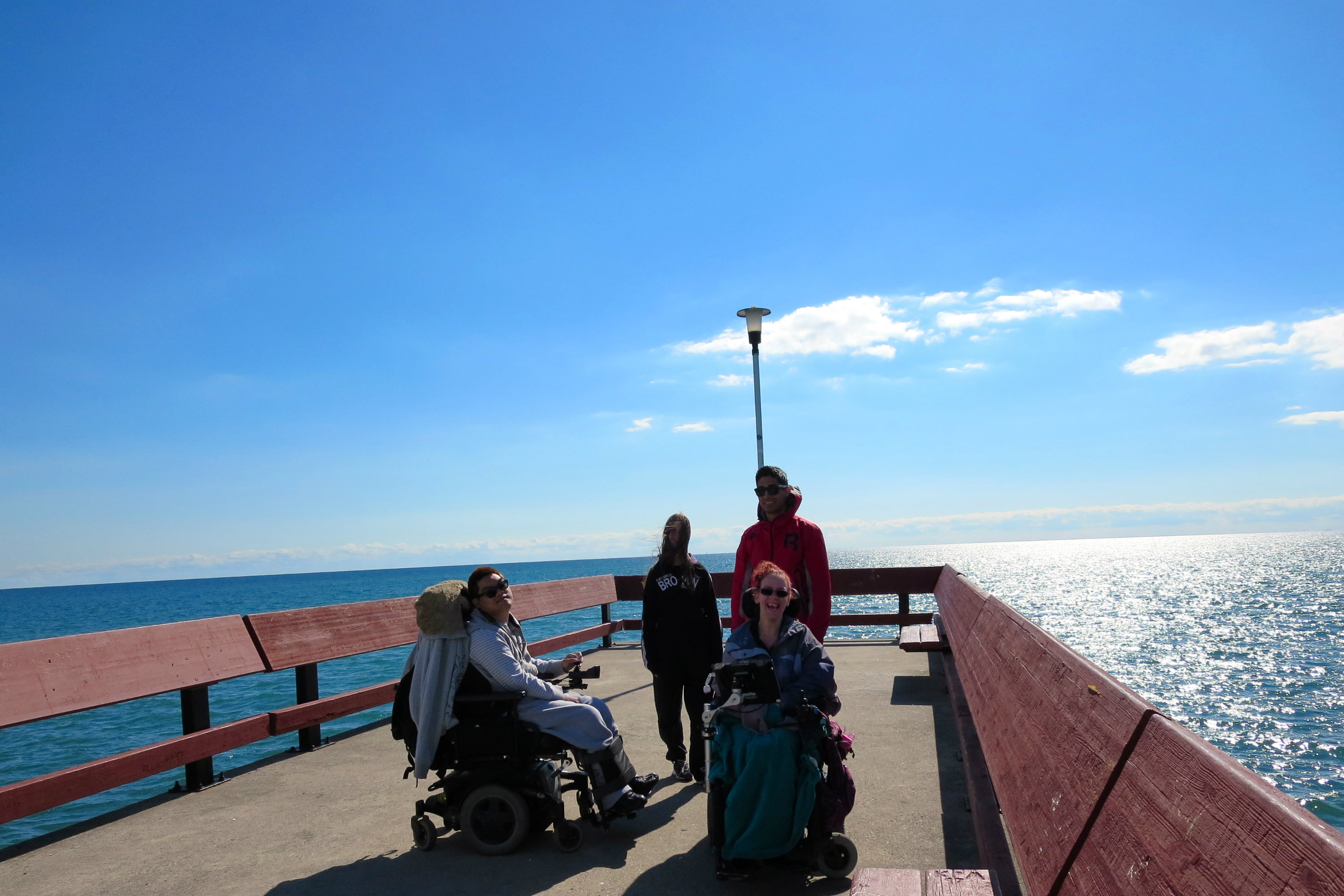
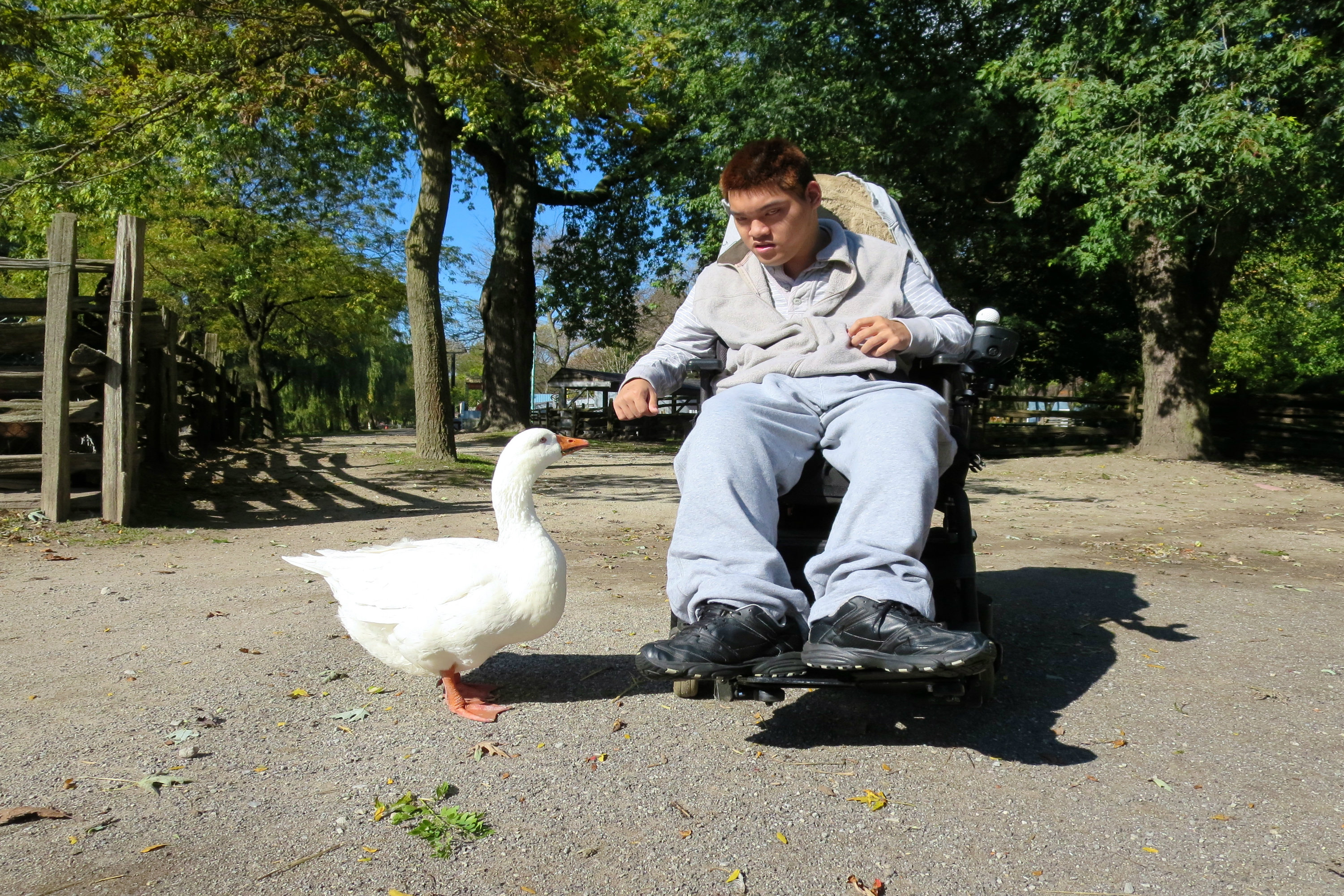
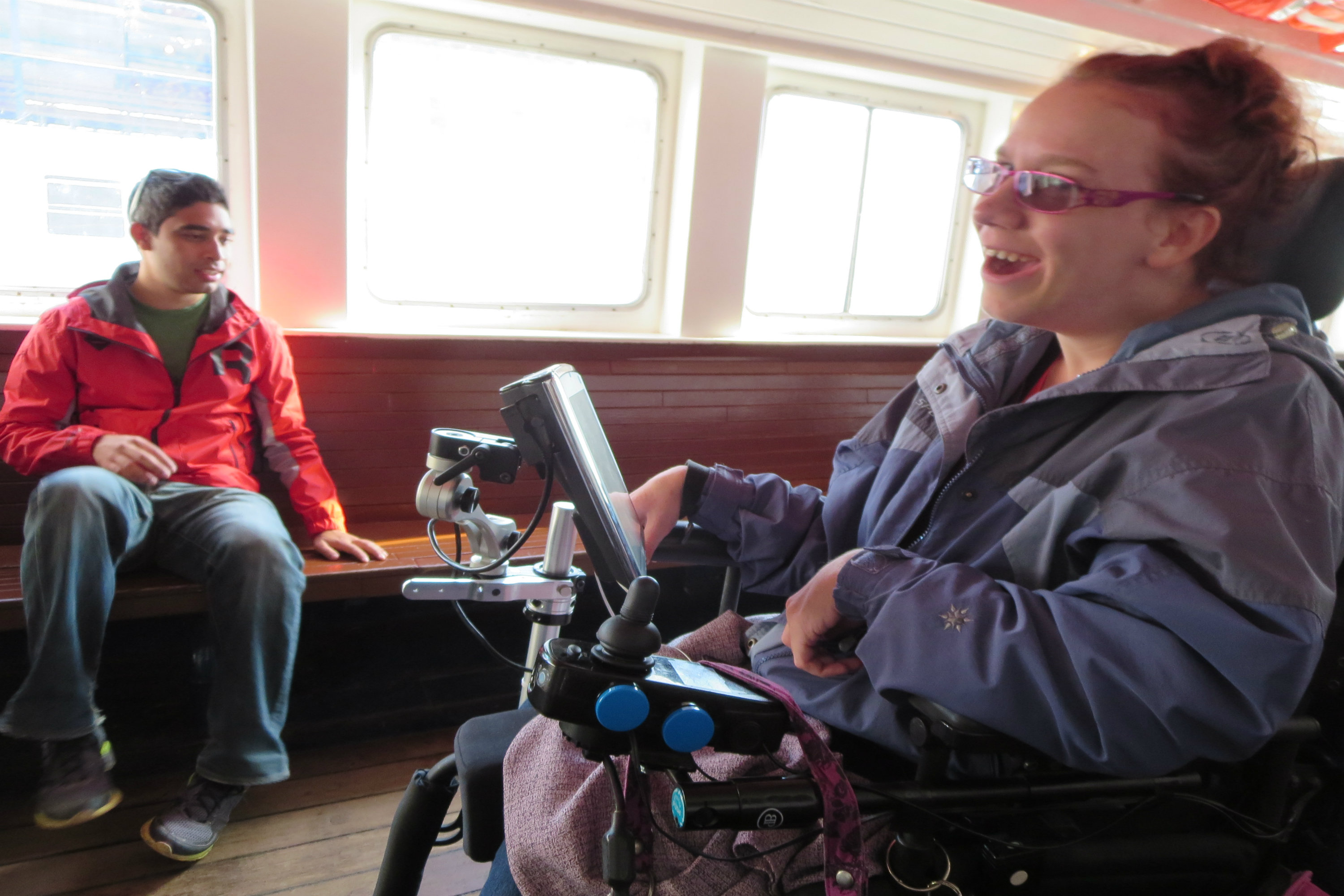
Luckily we were able to fit in a trip to Toronto Island before it got too cold. On October 8th we all met at the Toronto Ferry Docks and caught a morning ferry over to Centre Island. The ferry is described as one of the best parts of the day. It is a time to relax, enjoy the fresh air and take in the view of the city. When we got to the island we checked out the map and headed for Far Enough Away Farm. Check out some of the pictures we got.

IMG_0009.1  IMG_0021.1

We pretty much had the farm to ourselves and some of us even got to pet a pig! We explored the island and found a picnic table near the beach to have lunch. We checked out the pier and spent the afternoon wandering along the trails. There is so much to see on the island and it is wonderful to spend the day outside. We can’t wait to go back next summer when it warms up.

IMG_0010.1  IMG_0012.1

IMG_0016.1  IMG_0006.1

LIFE Toronto program continues with the support of United Way TorontoTD Canada Trust, and Royal Bank.

L.I.F.E. Toronto: Restorative Yoga with Jennifer

Here at L.I.F.E. we like to spend our Friday afternoons relaxing and rejuvenating our bodies with some restorative yoga. After lunch we push our desks aside, dim the lights and put on some relaxing music.

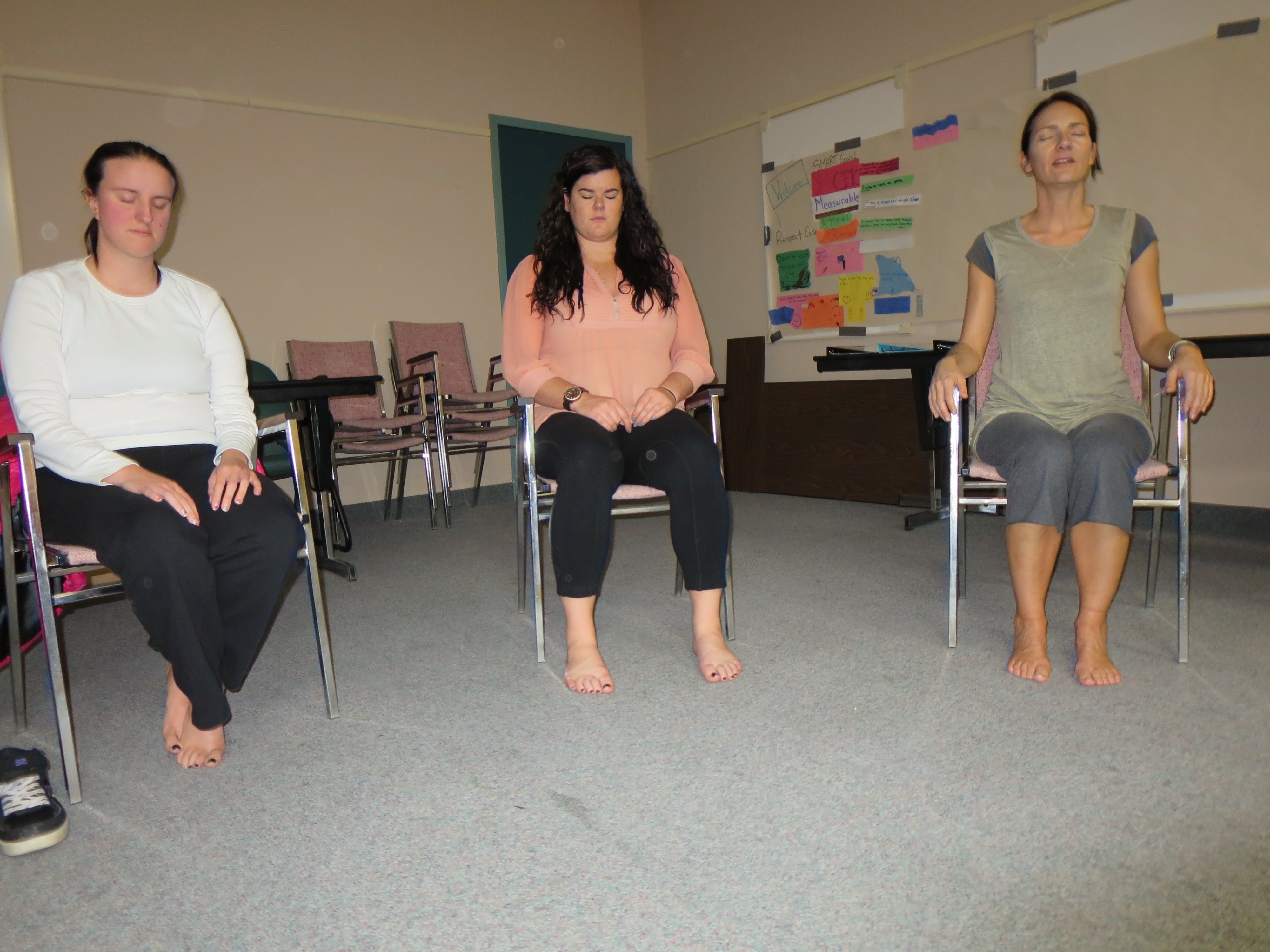
Our first yoga Friday we concentrated on our breathing because Jennifer told us it is the most important part of yoga. We make sure we are sitting with our legs hip distance apart and our backs straight. We close our eyes and think about our breathing and gain more control of our breath by counting. We follow the breath in and out and it helps us become more aware of our bodies.

Blog - restorative yoga  blog - restorative yoga 3

blog - restorative yoga 4

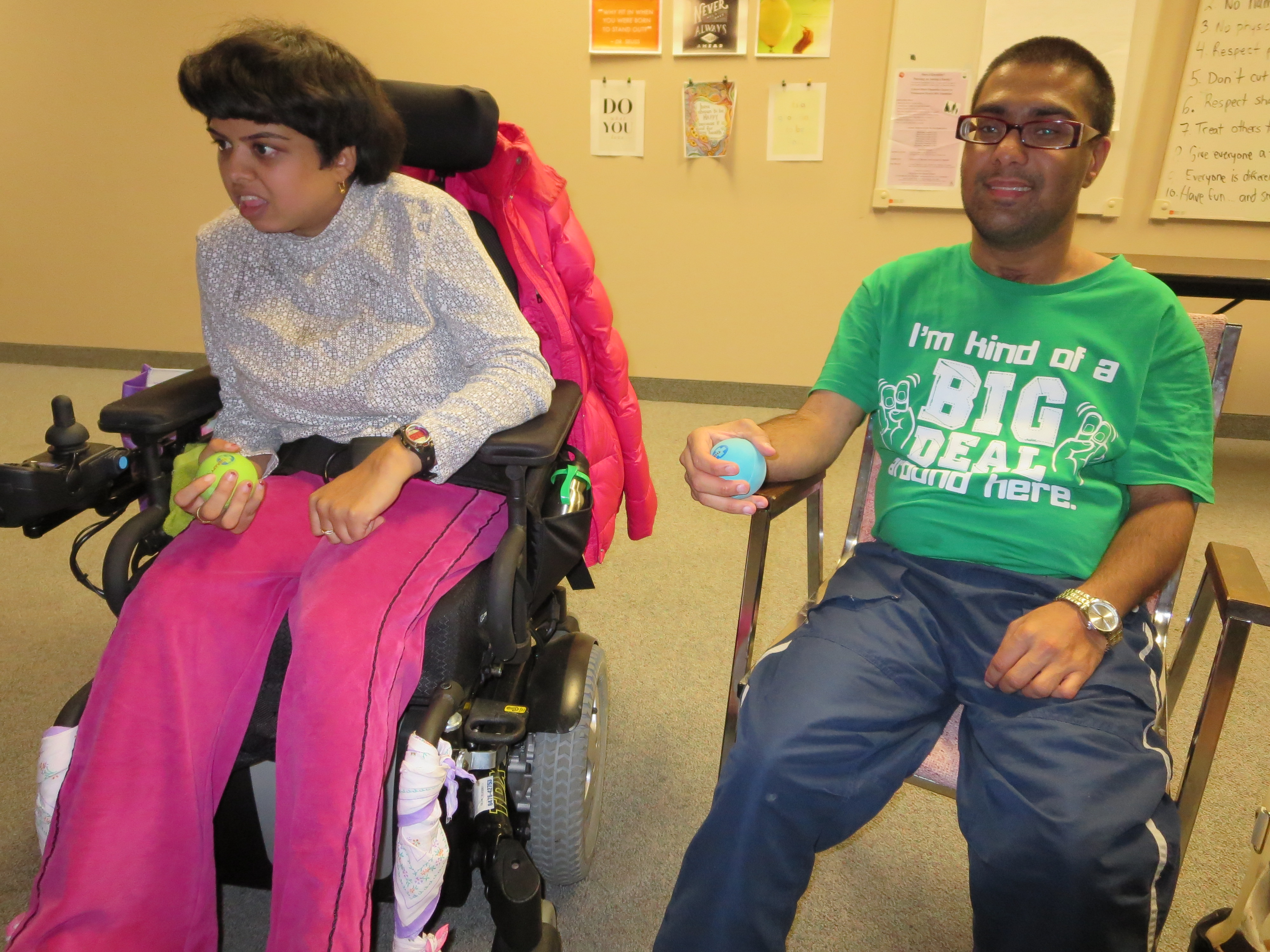
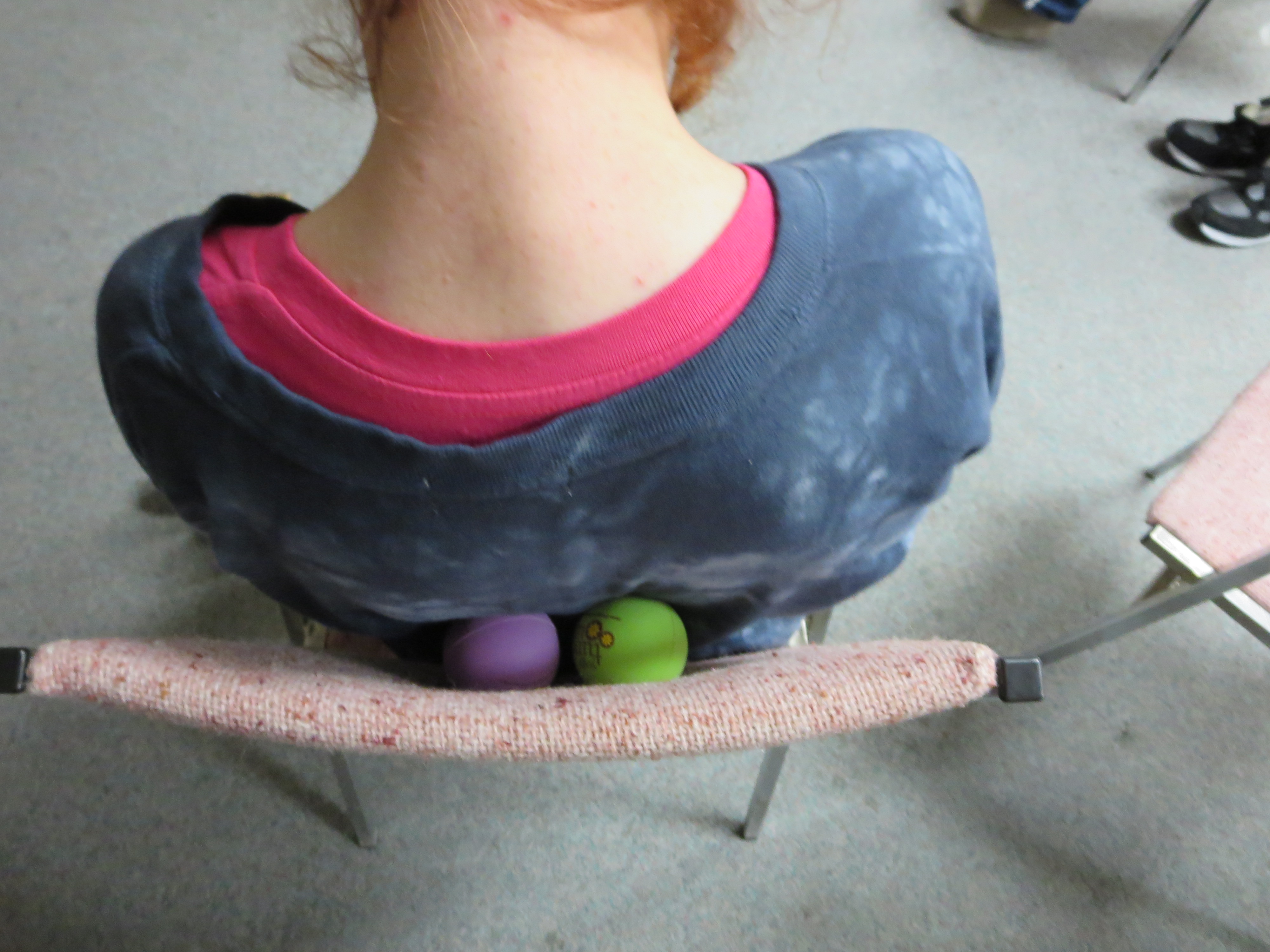
Our second yoga Friday involved more breathing but we also got to use therapy balls. By this time we all felt more comfortable and were willing to try new things. The therapy balls are about the size of a tennis ball but firmer. We put the balls on the floor and rolled our feet over them, applying the pressure that we desired. It felt like a foot massage and brought sensation to our feet that we do not normally get to experience with shoes on. Then we placed the balls behind our backs against our chairs and moved around. It felt like a back massage and tension was released.

We always look forward to Fridays and can’t wait to get on those yoga mats!!!

L.I.F.E.Toronto is a new program that continues with the support of United Way TorontoTD Canada Trust, and Royal Bank.